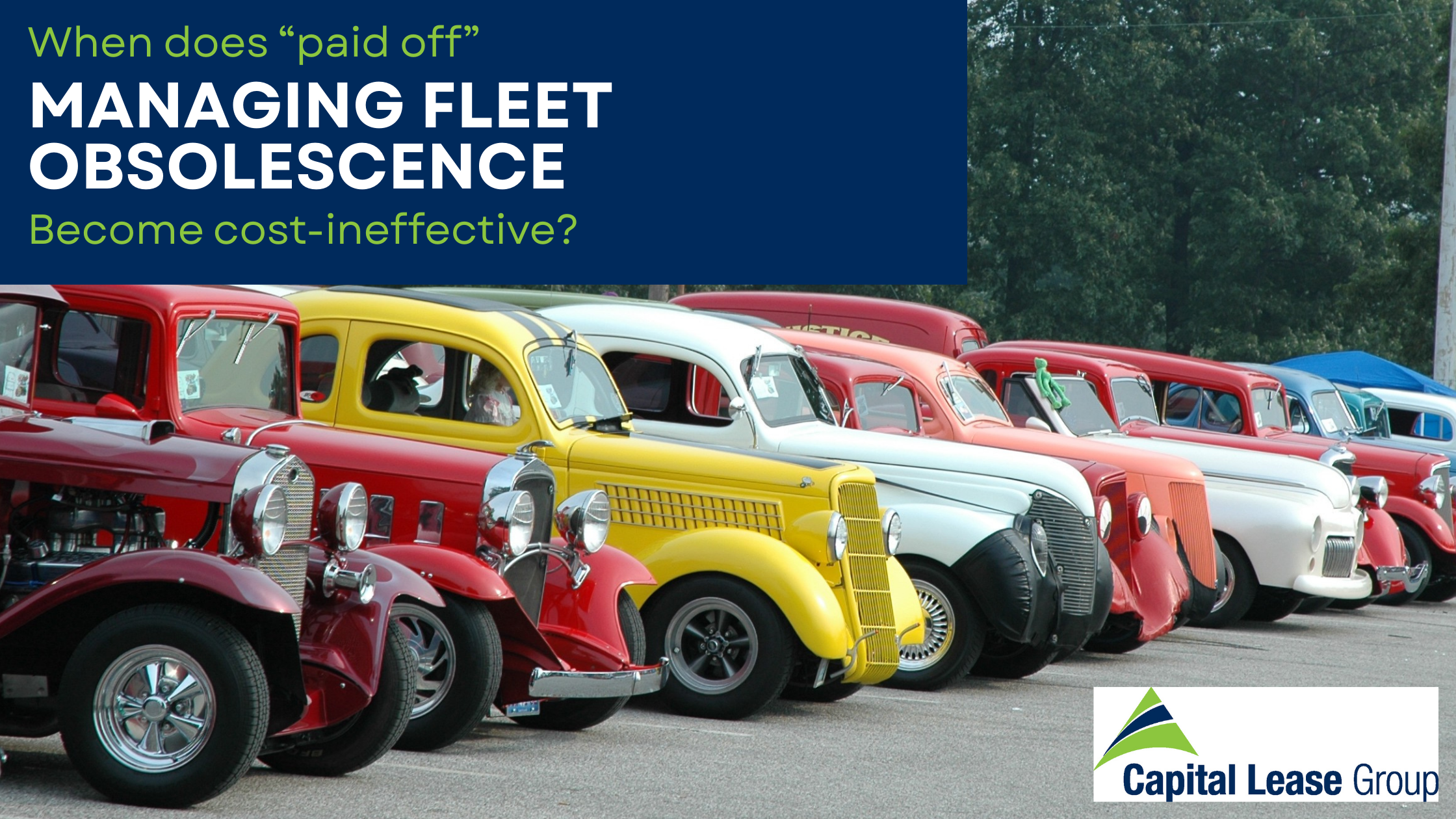
Key Element 4: Managing Fleet Obsolescence
The Hidden Cost of Keeping Old Fleet Vehicles Too Long
When “Paid Off” Doesn’t Mean “Cost-Effective”
Many organizations hold on to vehicles as long as possible, assuming that once they’re paid off or bought out from the original lease, they’re saving money. But old fleet units often do the opposite — they quietly drain budgets and damage your professional image.
At a certain point, the cost of keeping an aging vehicle outweighs the cost of replacing it. That tipping point is called obsolescence — and managing it is key to smarter fleet planning.
The True Cost of Obsolete Vehicles
Obsolescence isn’t just about high mileage or age. It’s about inefficiency, safety, and perception.
Here’s what it really costs to hang on too long:
- Maintenance creep: Repairs become more frequent and unpredictable, stretching budgets.
- Fuel inefficiency: Newer vehicles can save 10–20% in fuel costs compared to older models.
- Downtime losses: Every day a vehicle is off the road is lost productivity or revenue.
- Resale value decline: Waiting too long to sell means missing peak resale windows.
- Brand perception: Old, dented, or mismatched vehicles send a poor message to clients, students, or stakeholders.
That “free” old van in your lot may actually be costing you thousands.
Planning for Replacement Before Failure
The best fleets replace intentionally — not reactively. By monitoring vehicle age, repair trends, and residual value, you can plan replacements before breakdowns or depreciation spikes.
A strong obsolescence strategy should:
- Set maximum age/mileage thresholds for each vehicle type
- Track repair cost per mile or per month
- Incorporate lifecycle data into your annual budget forecast
- Plan resale or reallocation before the vehicle’s value collapses
These steps let you phase out units at the right time — maximizing reliability, resale value, and operational image.
Keep Your Fleet (and Image) Current
Smart fleet managers know: a modern, reliable fleet reflects a modern, reliable organization.
Capital Lease Group helps clients balance fiscal responsibility with performance — replacing vehicles at the right time, not just when they fail.
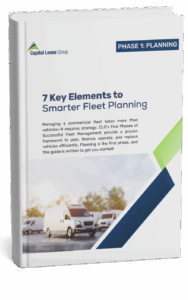
Download our free guide, “7 Key Elements to Smarter Fleet Planning,” for a deeper dive into planned obsolescence and the other essential steps in building a future-ready fleet.
Or reach out to get started on your plan.
Download our free guide, “7 Key Elements to Smarter Fleet Planning"